Equipment Rental Blueprint™
Turn tools, trailers, machines, and event equipment into a profitable rental business with local demand and repeat customers. Learn how to choose rental equipment, price it correctly, protect your assets, manage deposits, and build a simple local rental operation.
THE RATIONALE
Why Equipment Rental Is A Smart Business On Wheels
A logical, high-demand model that puts your assets to work.
High Local Demand
Homeowners, local contractors, and event hosts consistently need specialized tools for short-term projects.
Start With What You Have
Zero need for massive upfront loans. Begin testing the market immediately with tools you already own.
Flexible Operations
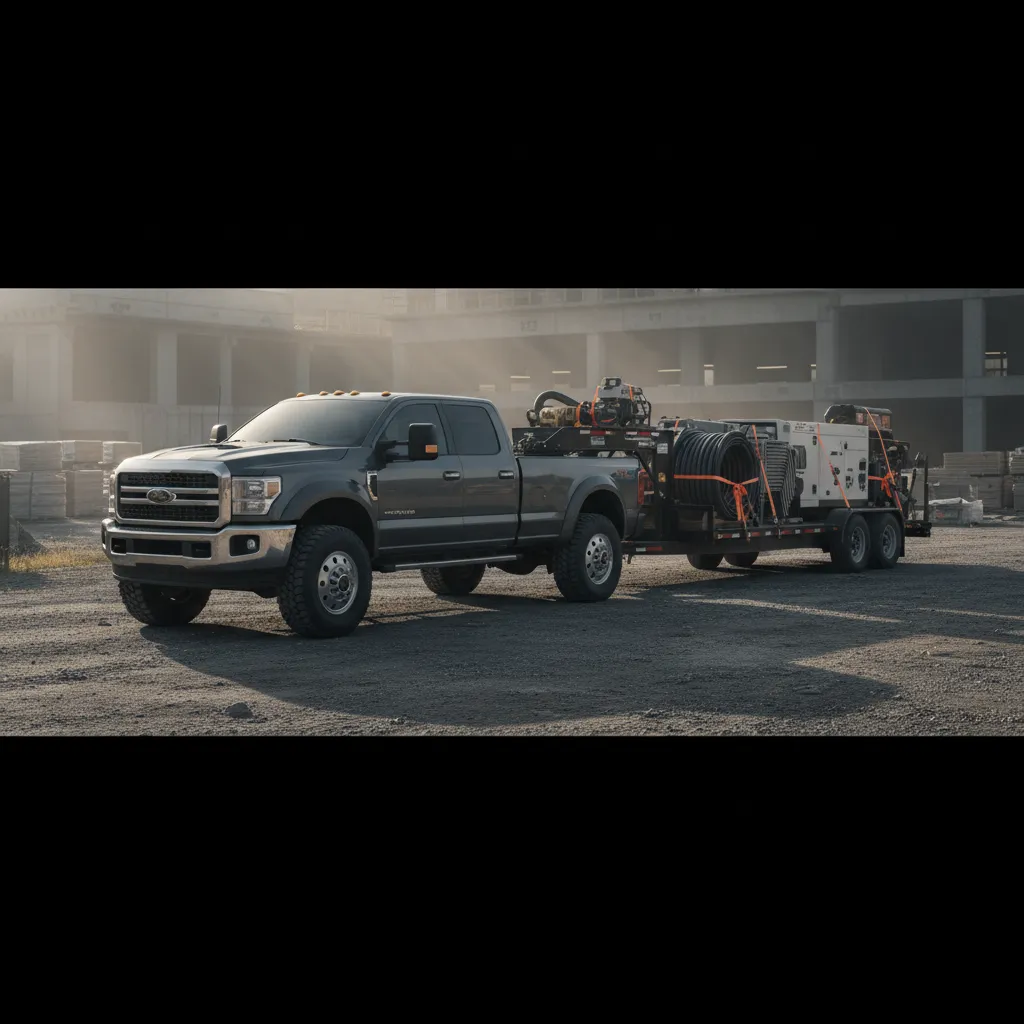
No expensive retail storefront required. Dispatch inventory straight from a trailer, cargo van, or your garage.
Stacking Income
After a few rentals, the asset pays for itself. Every transaction after that translates into direct profit.
Recurring Revenue
Clients prefer paying a fraction of the cost to rent rather than buying, maintaining, and storing bulky equipment.
Add-On Services
Significantly increase margins by offering delivery fees, professional setup, and complementary accessories.
REVENUE TIERS
Income Potential
LEVEL 1
STARTER RENTAL SETUP
$1,000–$3,000
/month
A few tools, trailer rentals, or small equipment
LEVEL 2
LOCAL RENTAL OPERATOR
$3,000–$10,000
/month
Multiple items, delivery fees, deposits, and repeat customers
LEVEL 3
SCALED RENTAL OPERATION
$15,000+
/month
Larger inventory, contractor accounts, events, and multiple delivery units
INVESTMENT BREAKDOWN
Estimated Startup Costs
CAPITAL ALLOCATION TIERS
Basic Equipment Setup
$500–$3,000
Trailer + Tool Rental Setup
$3,000–$10,000+
Professional Rental Inventory
$10,000–$50,000+
Note: Insurance, Storage, Branding, and Software: Additional startup costs
Start Small. Reinvest.
You don’t need a massive inventory on day one. Start with equipment you already own or can acquire affordably, rent it out consistently, and reinvest the profits to scale your operation.
Equipment Niches
Rental Categories To Consider
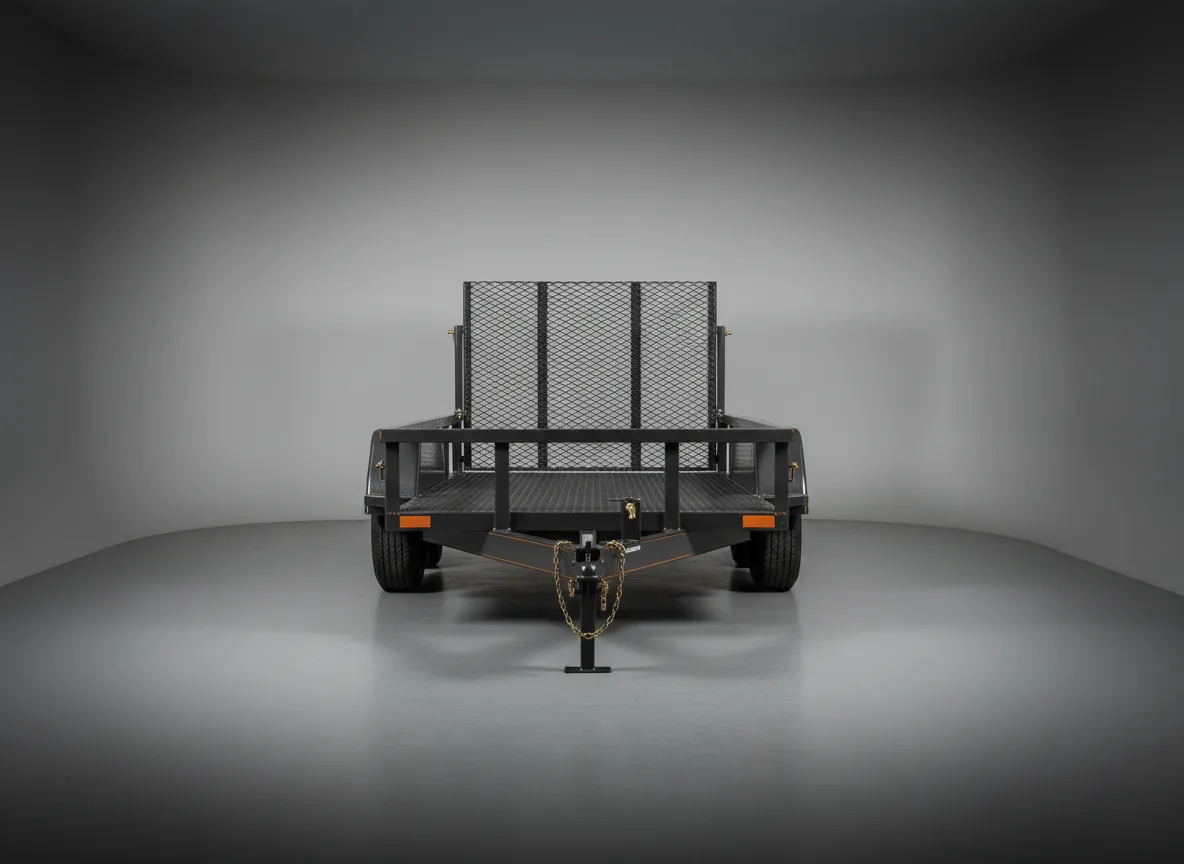
Utility Trailers
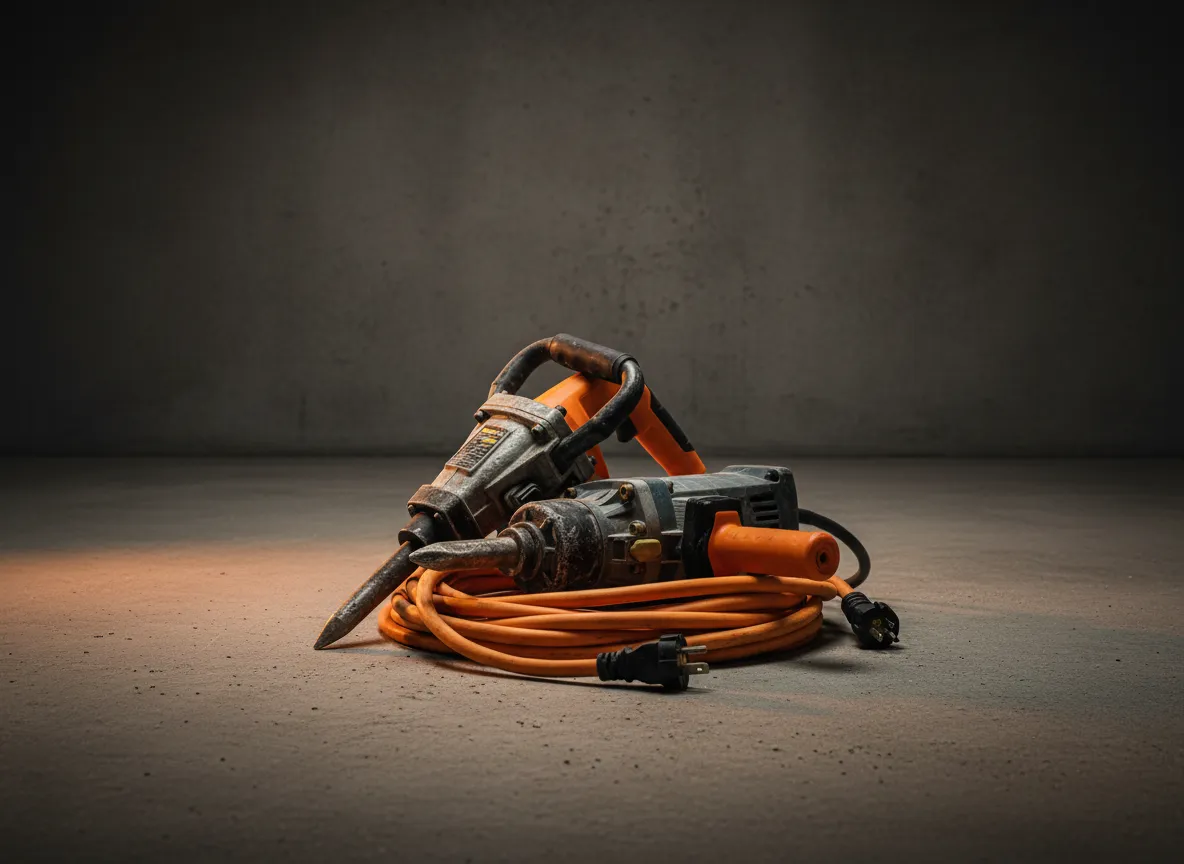
Construction Tools
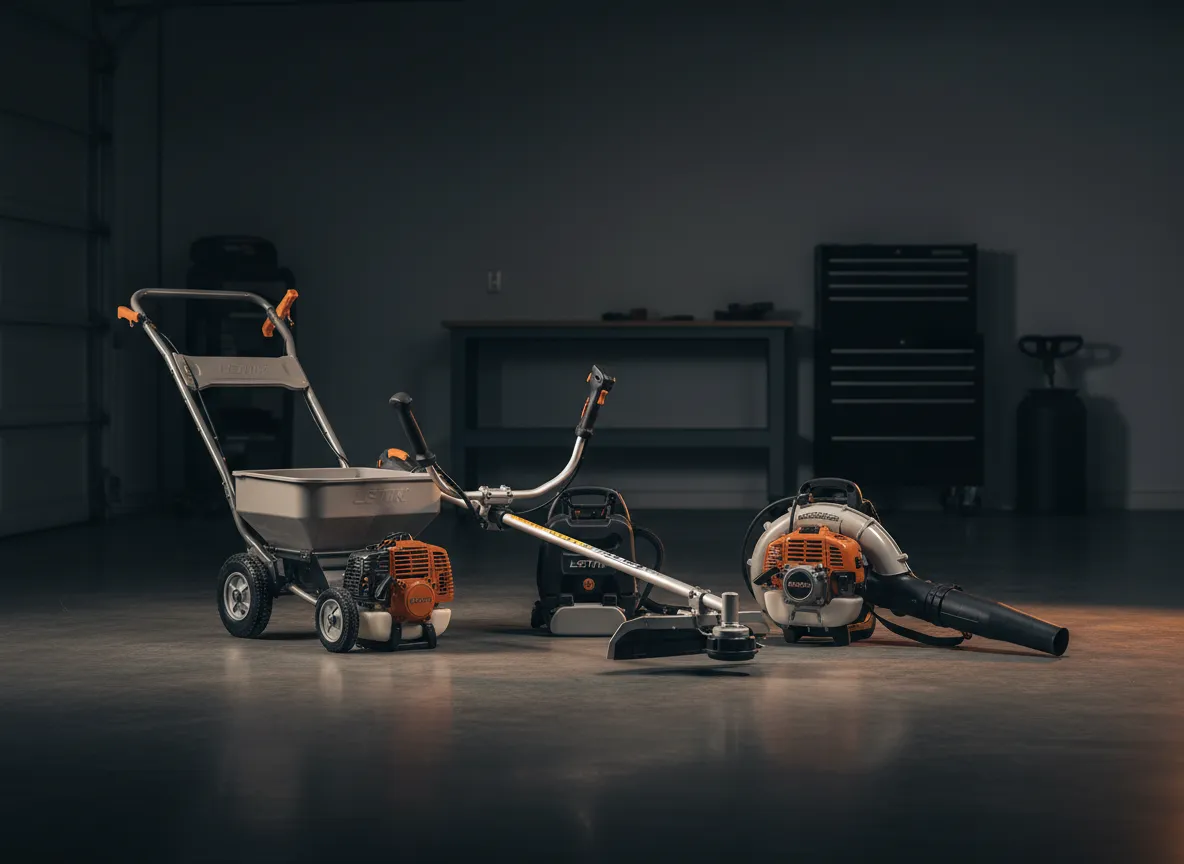
Lawn & Landscape
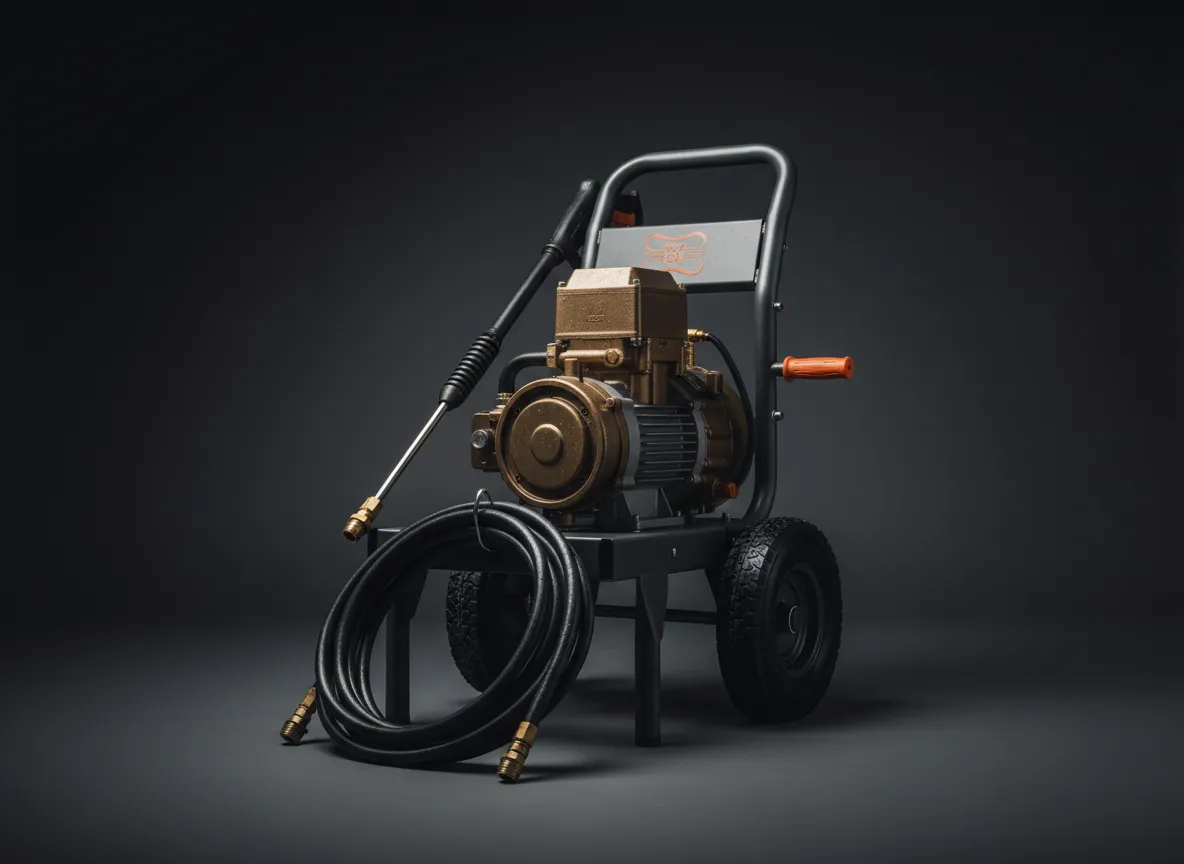
Pressure Washers
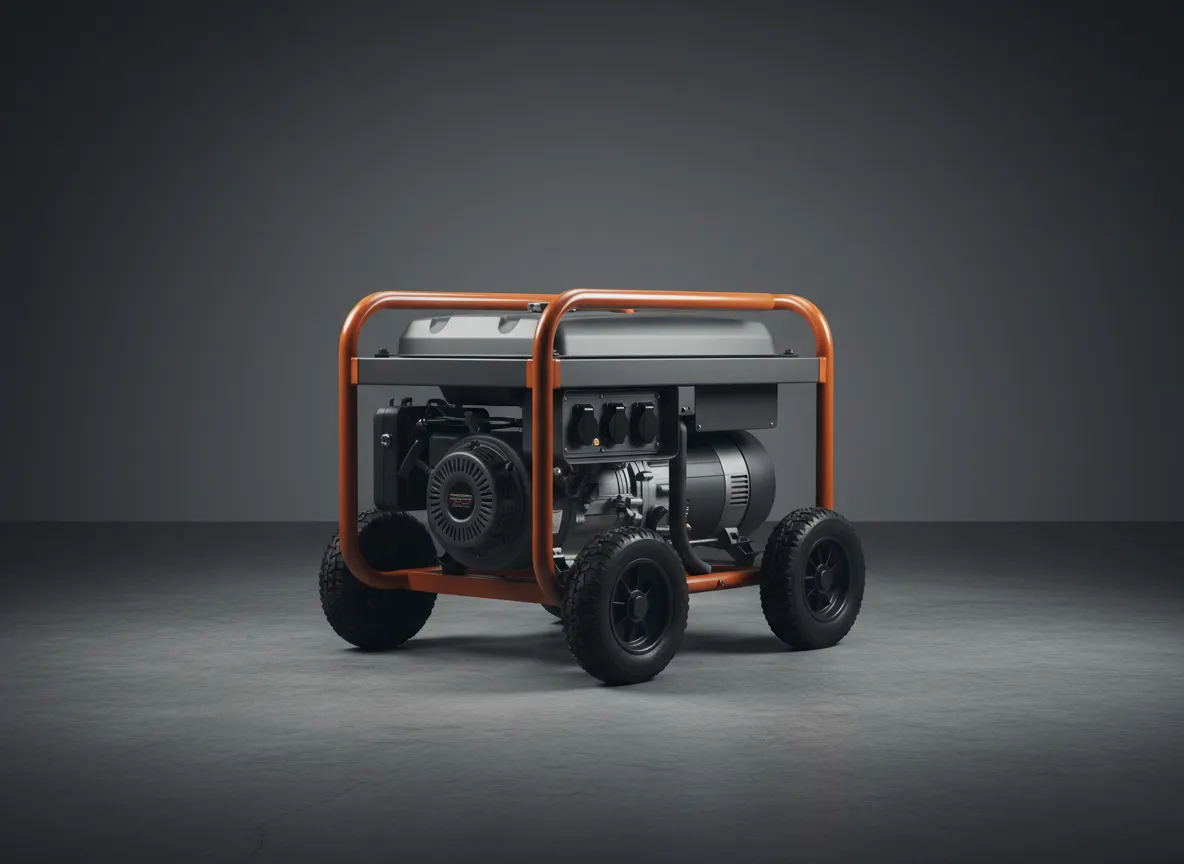
Generators
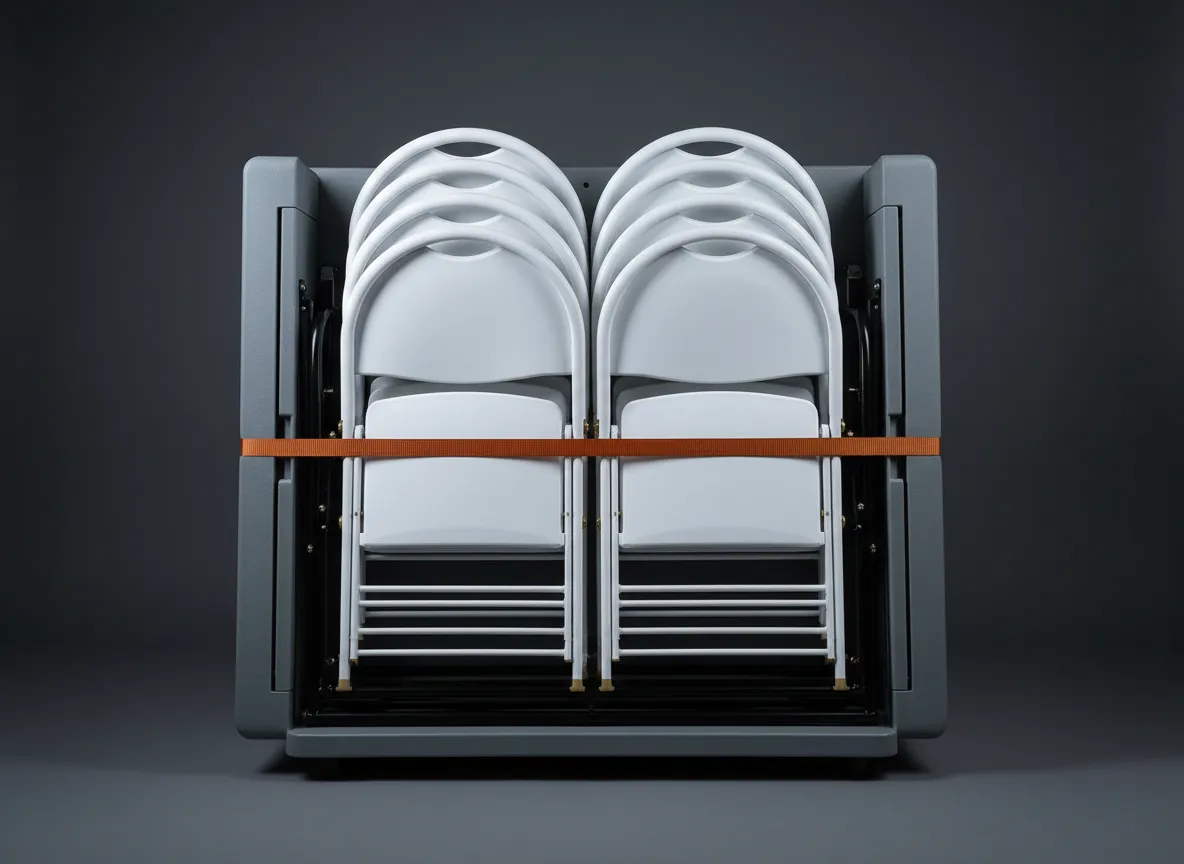
Party & Event
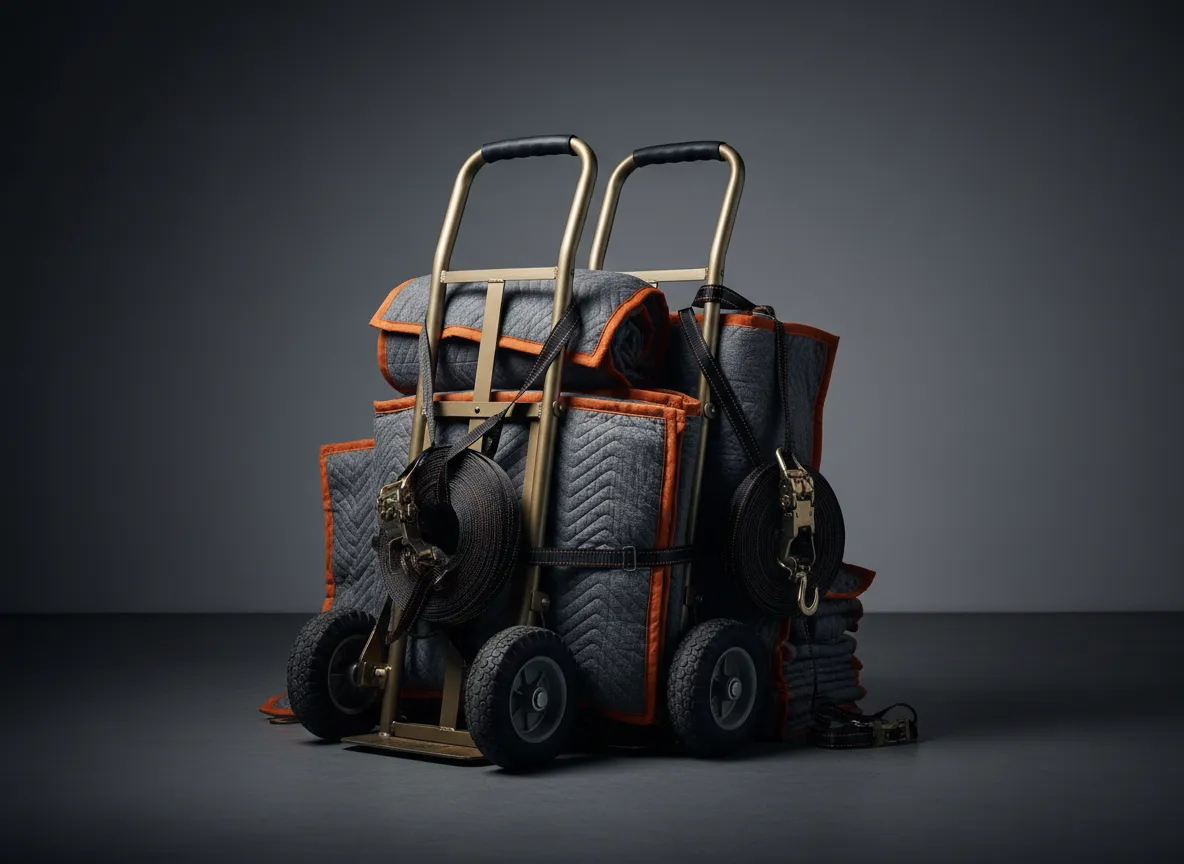
Moving Equipment
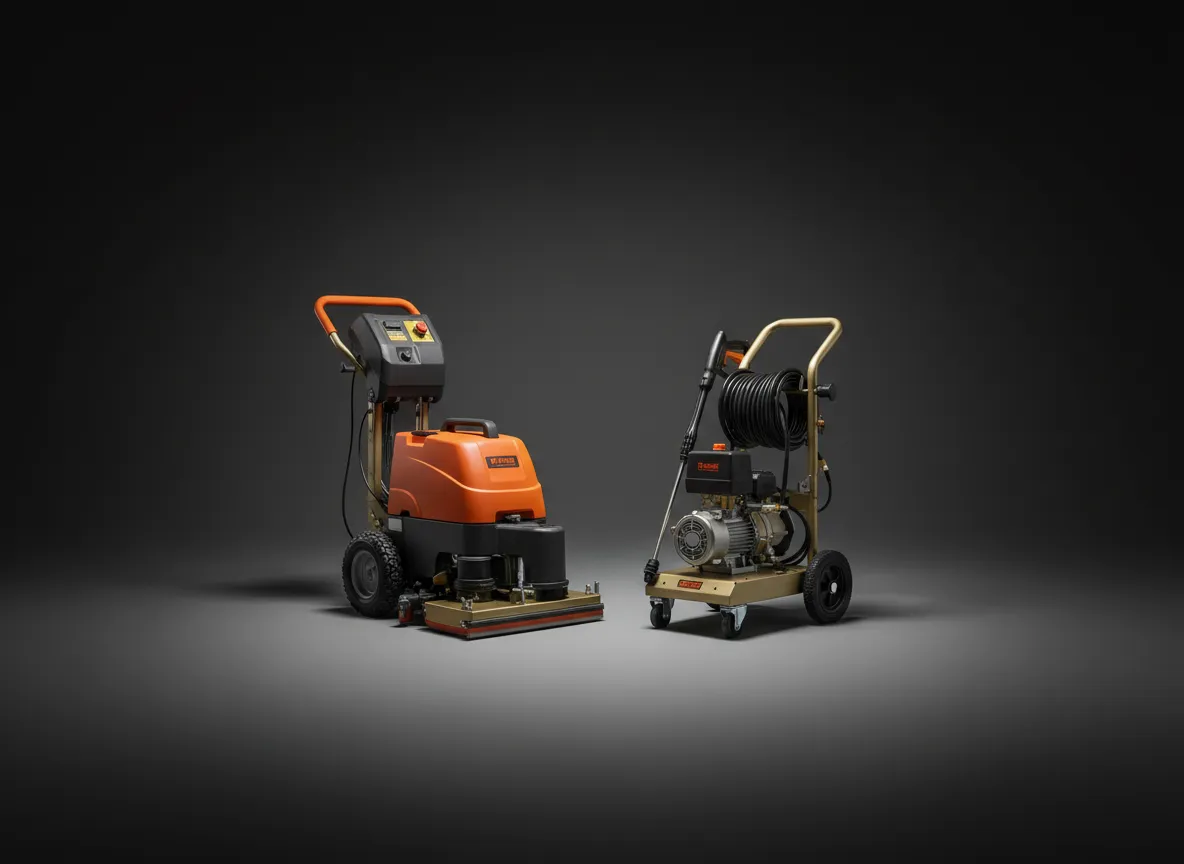
Cleaning Gear
OPERATIONAL SYSTEMS
Systems That Scale
Operating Tools You’ll Need
A reliable equipment rental business runs on systems, not guesswork. Put these tools in place to protect your assets and automate your operations.
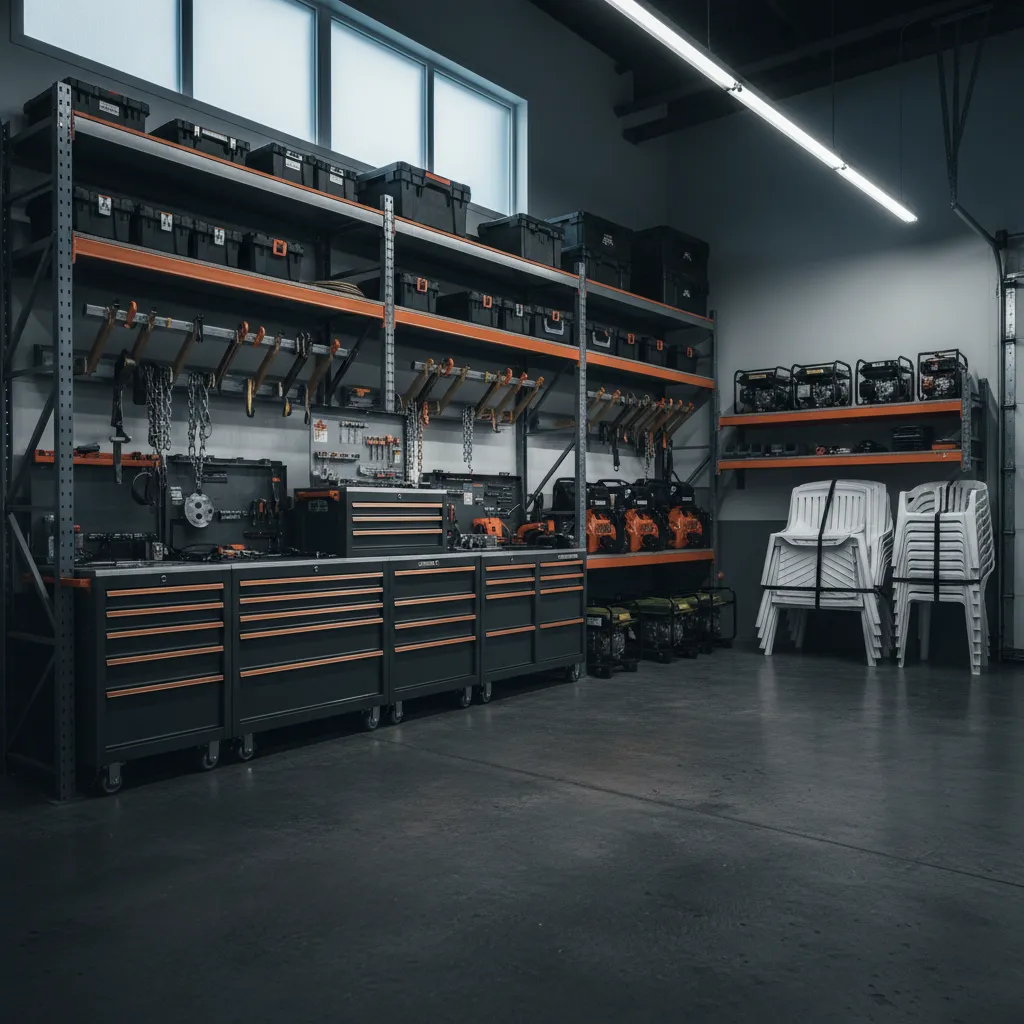
- Trailer, Van, or Garage: Your central staging and storage system.
- Rental Agreements: Legally binding contracts for every transaction.
- Deposit System: Pre-authorization holds to cover potential damages.
- Payment Processor: Secure digital invoicing and point-of-sale.
- Inventory Tracker: Logging serial numbers and current location.
- Maintenance Checklist: Standardized pre- and post-rental inspections.
Ways to Make More Money
Your base rental fee is just the starting point. Maximize your revenue per customer by offering premium convenience options.
- Extended Rentals: Upsell to daily or weekly rates.
- Delivery & Pickup Fees: Charge for the convenience of drop-offs.
- Setup & Teardown: Premium service for event and heavy equipment.
- Damage Protection Fees: Optional coverage for customer peace of mind.
- Add-on Accessories: Rent necessary attachments or supplies alongside main equipment.
Protect The Business
Before You Rent
Compliance Notice
Rules, insurance needs, and liability requirements vary by city, county, state, and equipment type. Always verify local requirements before renting equipment.
- Business license
- General liability insurance
- Equipment insurance
- Rental agreement
- Damage deposit
- ID verification
- Photos before and after rental
- Maintenance records
- Late return policy
DON'T LEAVE IT TO CHANCE
Your rental assets are the core of your income. Without proper documentation, deposits, and insurance, you are exposing your operation to unnecessary risk. Protect your downside so you can scale your upside with confidence.
Grab our comprehensive checklist to ensure you have the required safeguards in place before your first customer books.
The Market
Who Rents Equipment?
The demand for reliable tools, trailers, and machines is massive and constant. You aren't limited to one type of customer. By understanding who needs equipment in your local area, you can strategically stock items that stay rented week after week.
Identified Demographics
- Homeowners
- DIY customers
- Contractors
- Landscapers
- Event hosts
- Small businesses
- Movers
- Campers
- Property managers
ACQUISITION PLAYBOOK
How To Get Your First Rentals
01
LOCAL SEARCH
- Facebook Marketplace listings
- Google Business Profile setup
- Local community Facebook groups
02
PARTNERSHIPS
- Direct contractor referrals
- Event planner partnerships
- Strategic Craigslist posting
03
DIGITAL PRESENCE
- TikTok & Instagram demos
- YouTube how-to videos
- Website booking platform
- Strategic referral discounts
OPERATIONAL PITFALLS
Mistakes To Avoid
The Wrong Way
- Renting without a written agreement
- Requiring no deposit or ID verification
- Underpricing delivery and pickup services
- Failing to inspect equipment before & after
- Buying random equipment without local demand
- Ignoring business and equipment insurance
- Letting customers tow equipment without clear rules
The Right Way
- Using ironclad written rental agreements
- Enforcing strict deposit and ID verification policies
- Pricing delivery and pickup for actual profit
- Using pre- and post-rental inspection checklists
- Buying equipment based on proven local demand
- Securing proper business and equipment insurance
- Establishing clear, enforced rules for towing
FREE DOWNLOAD
Get The Free Equipment Rental Startup Checklist
Download the checklist to plan your rental inventory, pricing, deposit system, rental agreement, and first customer strategy.
BUILT ON WHEELS™ COMMUNITY
Build Your Rental Business With Real Support
Join the Built On Wheels™ community for training, templates, setup examples, rental checklists, pricing guidance, and practical support from real mobile operators.
Join real mobile operators • Instant access
LOGISTICS & OPERATIONS
Blueprint Questions
Starting an equipment rental operation involves liability, asset protection, and logistical planning. Review our most common operational questions below. Need advice on a specific scenario? Our community is ready to help.
What equipment should I rent first?
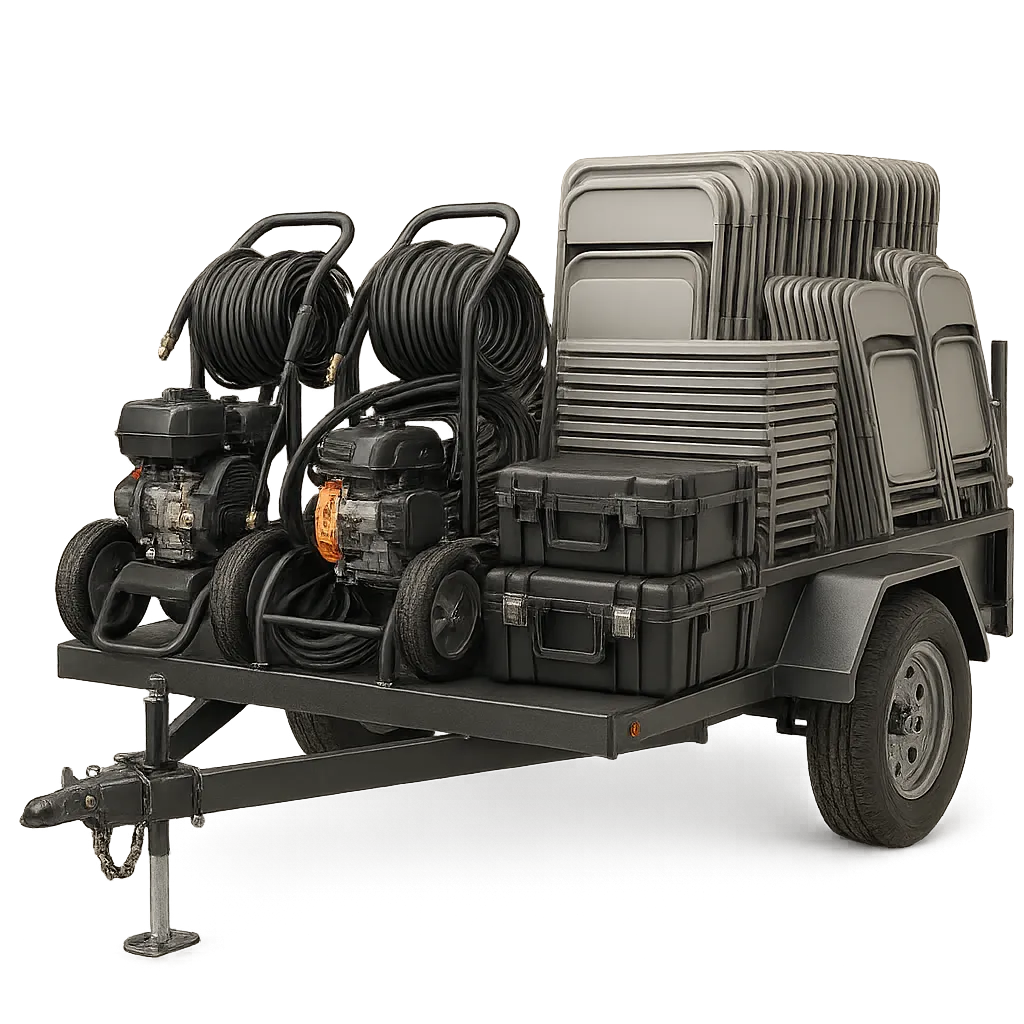
Start with high-demand, low-maintenance items you already own or know how to operate. Utility trailers, pressure washers, and basic landscape tools are excellent entry points with fast returns.
Do I need insurance?
Absolutely. General liability and specific equipment coverage are non-negotiable. They protect your personal assets and shield the business from claims if someone is injured or property is damaged.
Should I collect a deposit?
Yes, always collect a damage deposit. It ensures the renter has skin in the game, encourages proper use, and provides a financial buffer for minor repairs, missing accessories, or late returns.
Can I rent equipment from my trailer or garage?
Yes. Many successful rental operators run entirely out of a garage, driveway, or secure storage unit. A commercial storefront isn't required as long as you establish a safe system for pickups and drop-offs.
How do I protect myself from damage?
Require a signed rental agreement, a valid ID, and a credit card on file. Document the equipment's condition with time-stamped photos before it leaves your possession and immediately upon return.
How much should I charge for delivery?
Base delivery fees on mileage, drive time, and the vehicle required. A standard model is a flat baseline rate for a local radius (e.g., $50 within 15 miles) plus a per-mile charge for any distance beyond that.
Can this work part-time?
Equipment rental is highly flexible and scales perfectly as a side business. Weekend rentals for DIYers and event hosts allow part-time operators to build inventory and capital before going full-time.
Start Your Equipment Rental Business The Smart Way
Download the free checklist and begin building a real business on wheels.


© 2026 Built On Wheels™. All rights reserved.
Equipment Rental Blueprint™